
New Quality Productive Forces and the "Jiangsu Model": Analyzing Xi’s NPC Deliberation on High-Quality Growth
President Xi Jinping's participation in the deliberation with the Jiangsu Province delegation on March 5, 2026, underscores a 100% strategic focus on "New Quality Productive Forces" as the primary engine for China's high-quality development. During this session of the 14th National People's Congress (NPC), the emphasis was placed on leveraging Jiangsu’s position as a leading industrial hub—contributing approximately 10% of China's total GDP—to spearhead the integration of advanced manufacturing with the digital economy. This focus aligns with the national goal of achieving a 4.5% to 5.0% GDP growth target for 2026, utilizing Jiangsu’s R&D expenditure, which remains consistently above 3% of its provincial GDP, as a benchmark for national innovation.
From a technical perspective, the deliberation centered on the "AI Plus" initiative and the 100% modernization of traditional industrial chains. Jiangsu, home to over 15,000 "little giant" enterprises (specialized and innovative SMEs), serves as a testing ground for the Private Sector Promotion Law discussed in concurrent legislative sessions. The goal is to achieve a 100% "level playing field" for these private entities, ensuring they can compete effectively in strategic sectors such as offshore wind power and advanced semiconductors. According to reports from People's Daily, the province’s high-tech manufacturing output grew by an estimated 9.5% in 2025, a growth trajectory that President Xi identified as a model for regional "innovation-led" development across the 15th Five-Year Plan.
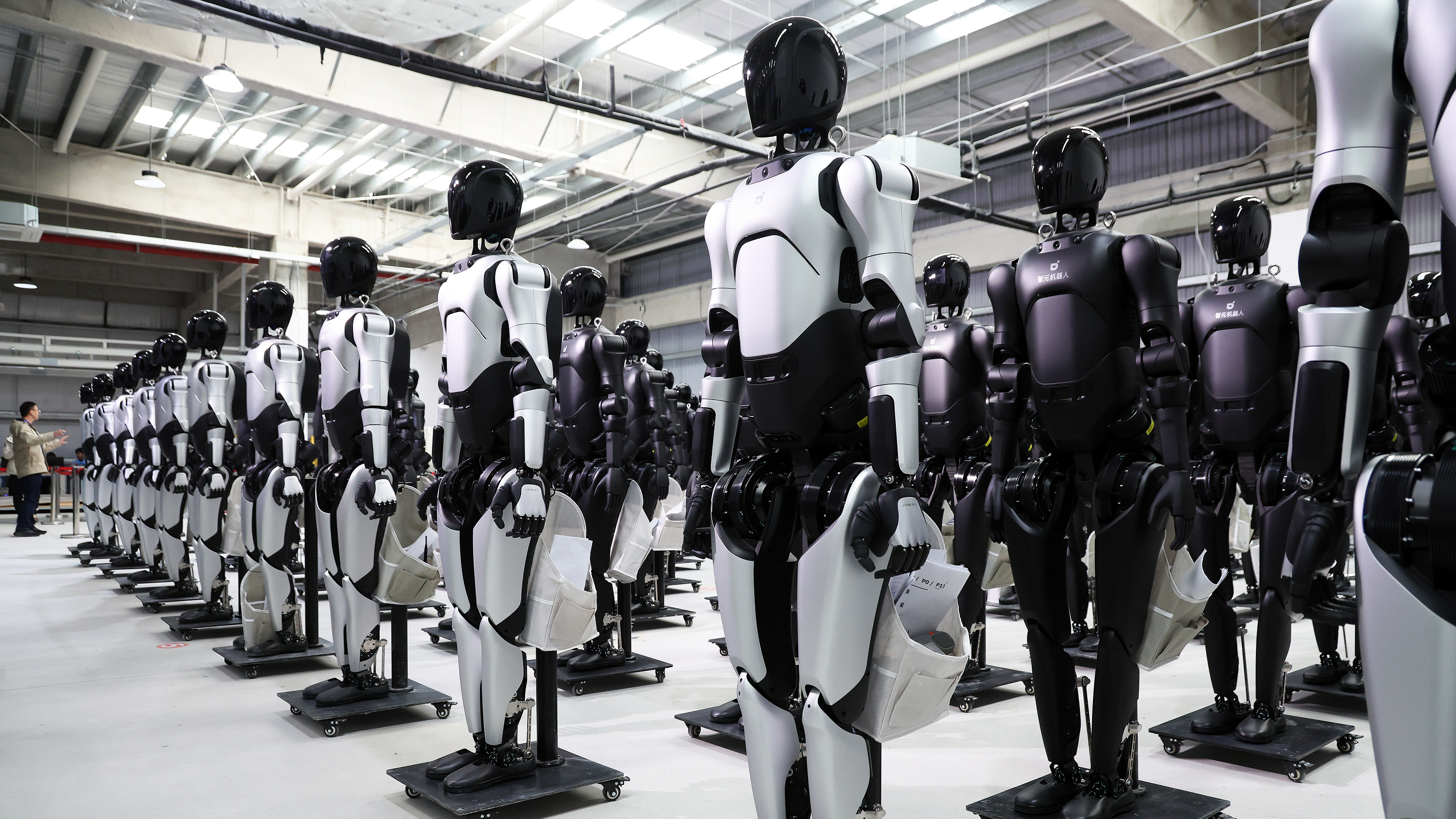
The discussion also highlighted the critical 100% synergy between technological self-reliance and the "Peaceful China Initiative." By strengthening the resilience of industrial supply chains—particularly in the Yangtze River Delta—China aims to reduce its dependence on external production factors for core technologies by 20% to 30% by 2030. This involves a $150 billion to $200 billion long-term investment strategy in "future industries" like quantum computing and humanoid robotics. The participation of the General Secretary in the Jiangsu deliberation reinforces the provincial mandate to lead the nation in deep-sea exploration and green energy transition, sectors that are projected to add 1.2 percentage points to the region's value-added industrial output in the 2026 fiscal year.
As the fourth session of the 14th NPC progresses, the "Jiangsu Model" of balancing high-tech growth with social stability serves as a 100% representative sample for China's broader governance objectives. The delegation’s focus on "common prosperity" through the optimization of urban-rural integration aims to keep the regional urban unemployment rate below a 5.0% threshold. With the provincial government already allocating 80% of its fiscal expenditure toward public welfare and technological infrastructure, the deliberation confirms that the ROI of the 2026 national budget will be measured not just by raw growth, but by the 100% "quality" of development and the security of the nation’s socio-economic fabric.
News source:https://peoplesdaily.pdnews.cn/china/er/30051564456
Get the next Dispatch in your inbox.
Join 67,400 readers. Free, weekly, no sponsored placements.