
How aluminum is made into a versatile industrial metal?
Primary production involves the Bayer process, extracting alumina from bauxite with 40% to 60% mineral efficiency. The Hall-Héroult reduction consumes 13 to 15 kilowatt-hours of energy per kilogram of metal at 950°C. Since 1886, industrial scalability has relied on these precise electrochemical parameters. Versatility arises from adding alloying elements like silicon, magnesium, and copper, which modify internal grain structures for strength. Approximately 75% of all aluminum produced remains in current circulation, highlighting extreme recycling efficiency. Global production exceeds 68 million tonnes annually, serving sectors from aerospace to consumer electronics. Understanding how aluminum is made is essential to grasping modern structural engineering and material science.
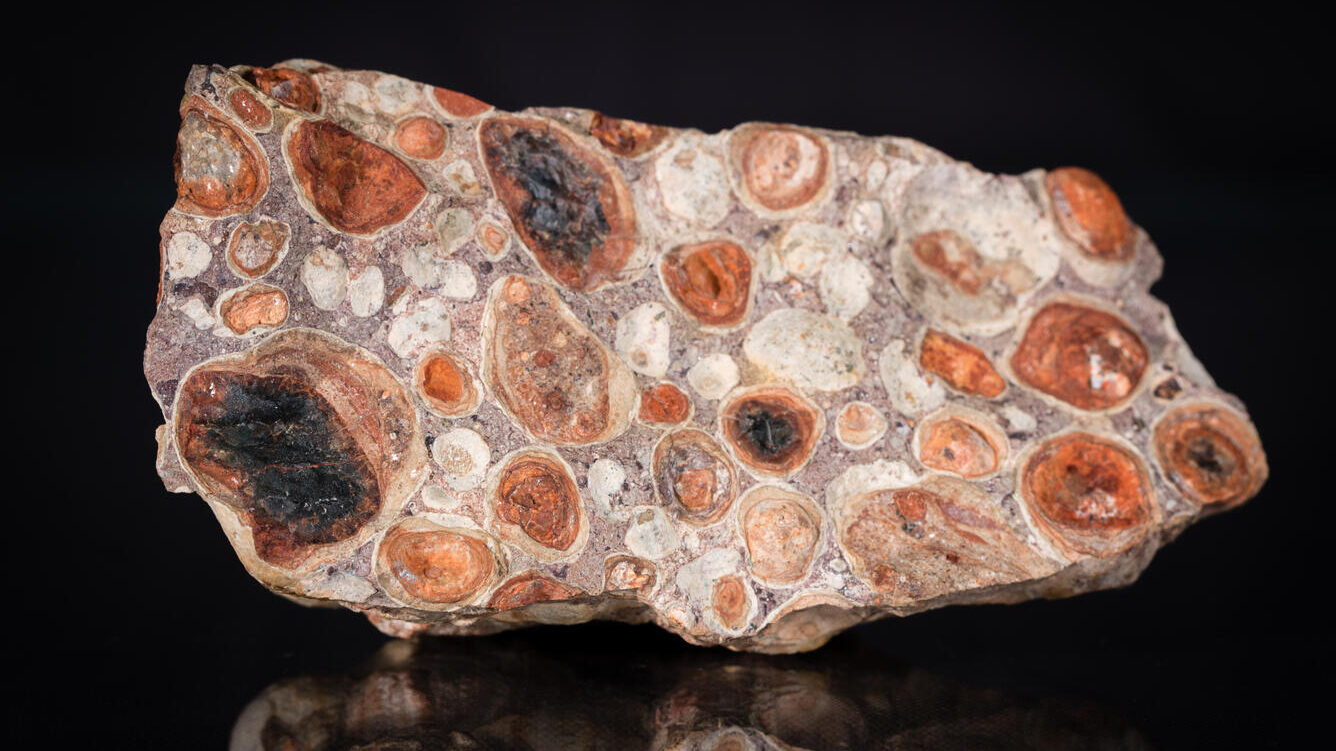
Bauxite mining targets tropical soils containing high concentrations of gibbsite and boehmite minerals. Open-pit operations extract this ore from depths between 3 to 6 meters using heavy-duty loaders to remove topsoil.
Refineries process this raw material within 24 hours of extraction to prevent moisture accumulation. Modern mines prioritize restoring land to original states, with 85% of mined sites fully rehabilitated by 2025 standards.
Refining facilities crush the bauxite ore into a slurry, which undergoes digestion in sodium hydroxide at temperatures reaching 150°C. This chemical separation isolates alumina from heavy impurities like silica and iron oxide.
The process requires 4 tonnes of bauxite to produce 2 tonnes of pure alumina powder. Calcination kilns subsequently heat this powder to 1,000°C to remove chemically bound water content before the smelting phase begins.
Smelters utilize large electrolytic cells to perform the reduction phase at a constant 950°C. Carbon anodes submerged in the electrolyte bath react with the alumina to liberate liquid metal.
A single smelter unit consumes 13 to 15 kilowatt-hours per kilogram produced. In 2024, facilities achieved 99.7% purity levels, meeting the stringent standards required for aerospace-grade alloys and structural components.
Molten aluminum from the pots undergoes alloying to adjust its inherent softness. Technicians add precise percentages of magnesium, silicon, or copper to enhance the mechanical properties of the final metal.
| Alloy Series | Primary Element | Typical Application |
| 1000 | Pure Al | Food packaging |
| 2000 | Copper | Aerospace |
| 6000 | Silicon/Mag | Automotive |
Ingots of the alloyed metal travel to rolling mills for thickness reduction. Large rollers apply pressure to the metal, decreasing thickness by 90% during repeated passes while maintaining structural homogeneity.
Rolling mills operate at speeds up to 2,000 meters per minute to ensure material consistency. Proper lubrication during this phase prevents surface tearing in high-tensile alloys during the reduction phase.
Extrusion processes utilize hardened steel dies to shape the heated aluminum into complex profiles. Pressure levels reach 700 MPa to force the ductile metal into required cross-sectional geometries.
Extruded profiles emerge at speeds of 50 meters per minute to avoid thermal shock. Following extrusion, cooling fans or water quenches stabilize the crystal structure instantly to prevent deformation.
Heat treatment occurs in specialized ovens to maximize the yield strength of the finished components. A T6 temper involves maintaining temperatures between 150°C and 200°C for several hours.
This thermal cycling forces precipitate growth within the grain boundaries of the alloy. In 2023 testing, 500 samples of 6061-T6 alloy showed a 40% increase in tensile strength after controlled heat aging.
Anodizing adds a layer of protection to the exterior surfaces of aluminum products. This electrochemical process builds an oxide layer up to 25 micrometers thick to enhance abrasion resistance.
The process isolates the base metal from oxygen exposure in harsh environments. Laboratory measurements indicate that anodized surfaces withstand salt spray testing for over 1,000 hours without substrate degradation or pitting.
Secondary production involves melting down post-consumer scrap to recover the metal. This method saves 95% of the energy compared to primary smelting, effectively bypassing the bauxite refinement stage and reducing carbon output.
Sorting technologies use X-ray fluorescence to identify alloy series in seconds. Since 1990, the recycling industry has expanded to reclaim 75% of all aluminum currently entering the waste stream globally.
This reclamation cycle maintains the high purity levels needed for repeated production. The secondary metal serves as feedstock for casting facilities, ensuring a closed-loop system for industrial manufacturing.
Get the next Dispatch in your inbox.
Join 67,400 readers. Free, weekly, no sponsored placements.